
The sport has changed. We haven't kept up.
In recent years, emotional health has moved to the center of the sports conversation. Naomi Osaka stepped away after sharing her struggles. Mardy Fish's anxiety became the subject of a Netflix documentary. Nick Kyrgios has spoken openly about his emotional challenges. Ash Barty walked away from the sport while ranked No. 1 in the world.
And those are the professionals — players with teams, resources, and every advantage the sport can offer.
So what does that tell us about everyone else? The junior player trying to survive tournament weekends. The college player trying to hold it together under scholarship pressure. The parent who wants to help but has no roadmap. The coach trying to develop the athlete without losing sight of the person.
We have never known more about emotional health. We have never talked about it more openly. Yet players at every level continue to struggle with the emotional demands of the tennis life.
The game hasn't changed. The pressure around it has. And as a sport, we have not kept up.

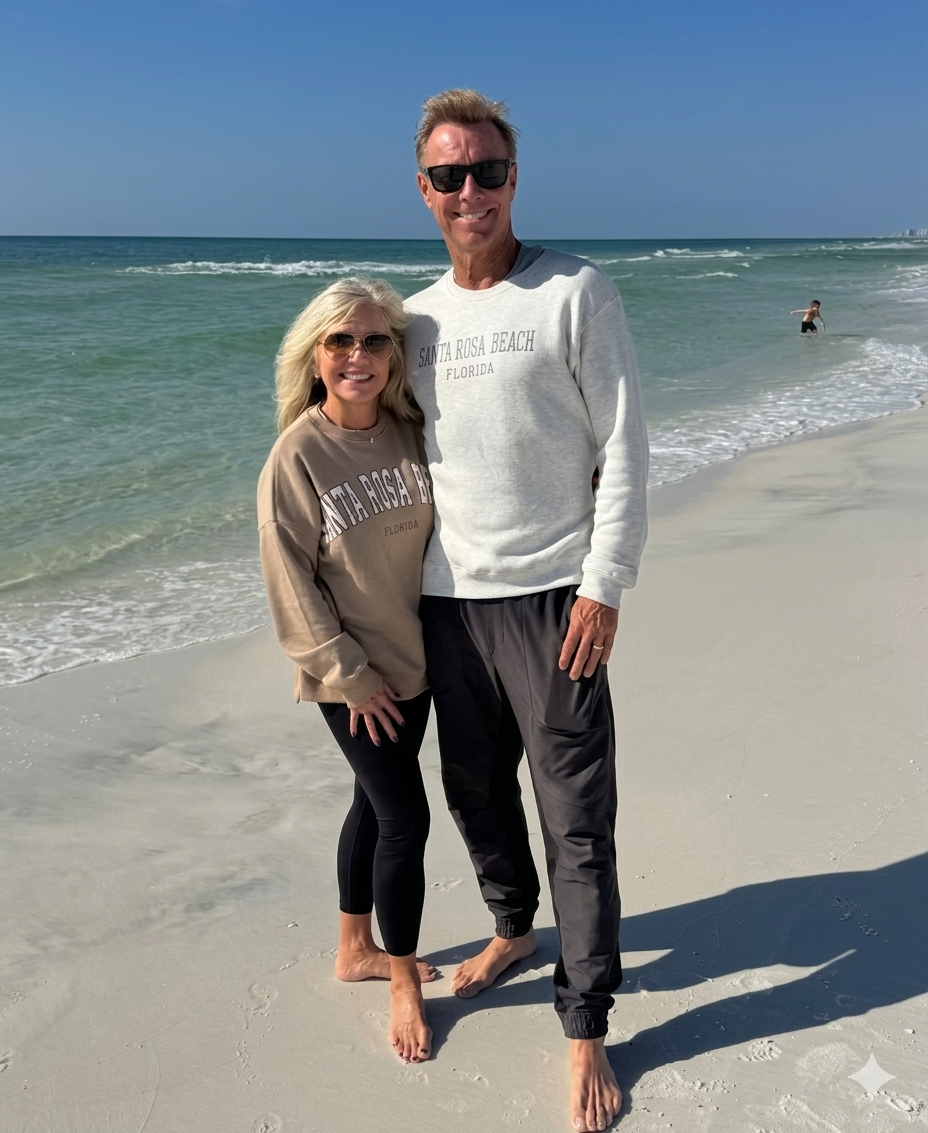
Barry Buss — Player, Coach, Author
Emotional intelligence shaped my life — or the lack of it did.
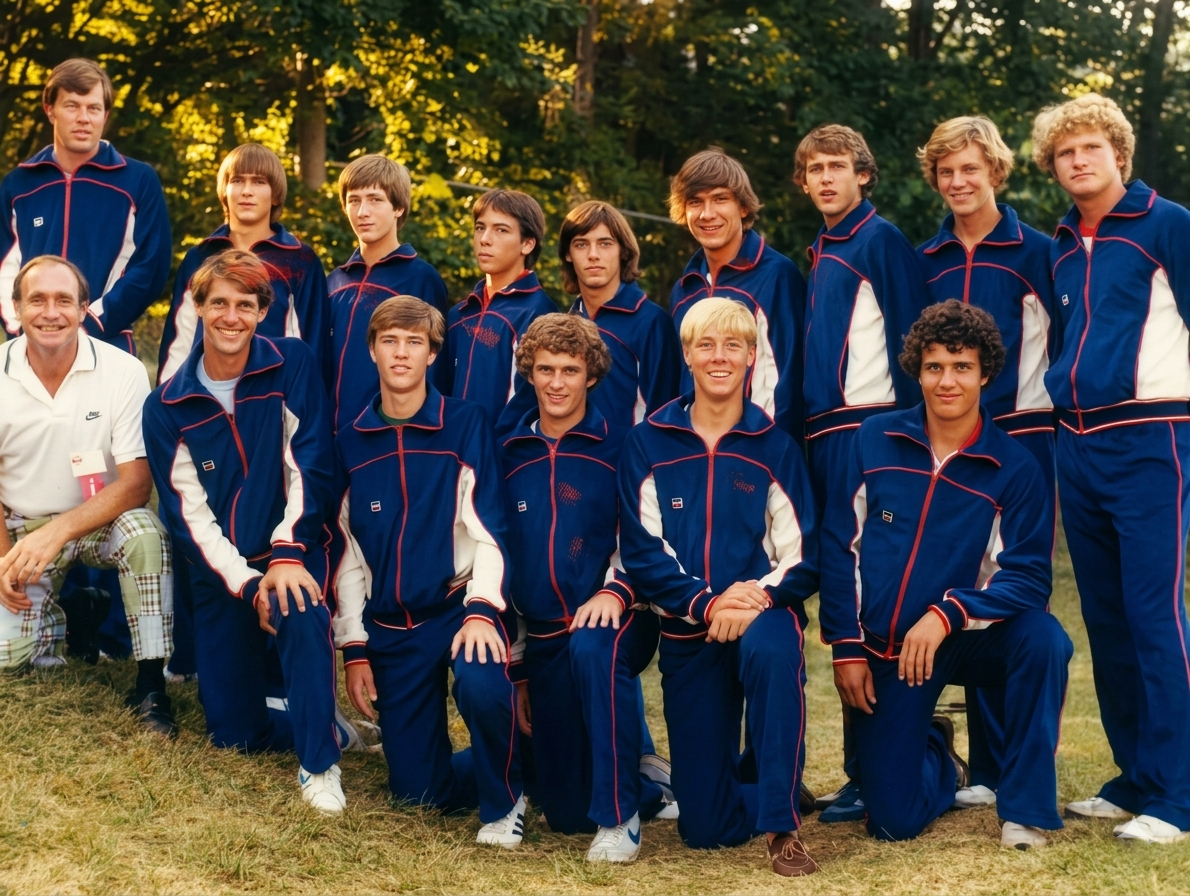
I grew up inside the game. By eighteen, I was one of the top rising players in the United States: a Junior Davis Cup team member and a record-setting freshman for the UCLA Bruins. In April of 1983, playing for the defending NCAA champions, I walked onto the court undefeated in dual matches, having won my first twenty-two and tied Jimmy Connors' freshman record.
From the outside, I looked like a young player on his way.
Then everything unraveled.
"I was pursuing elite tennis while carrying emotional health issues I did not understand, could not name, and had no real tools to manage."
A year later, I had dropped out of school, left the team, returned the scholarship I had worked so hard to earn, and was living in my van, lost in addiction and confusion.
The obvious question is: what happened? The honest answer is that it had been happening all along.
Issues that would take me years to get under control. My story may be extreme. The lesson is not.
Putting emotionally vulnerable athletes under the pressure of competitive tennis does not automatically make them stronger. Sometimes it exposes what is already there. Sometimes it deepens the struggle. Sometimes it makes everything worse.
And that lesson never left me. It stayed with me as a player, coach, and writer, and it is one of the reasons I care so deeply about the emotional health and wellness of those who choose to compete in tennis.
First Ball To Last —
the book that started it all.
I wrote the book because the emotional side of tennis deserved more than a chapter in a coaching manual. It deserved its own language, its own tools, and its own place in a player's development.
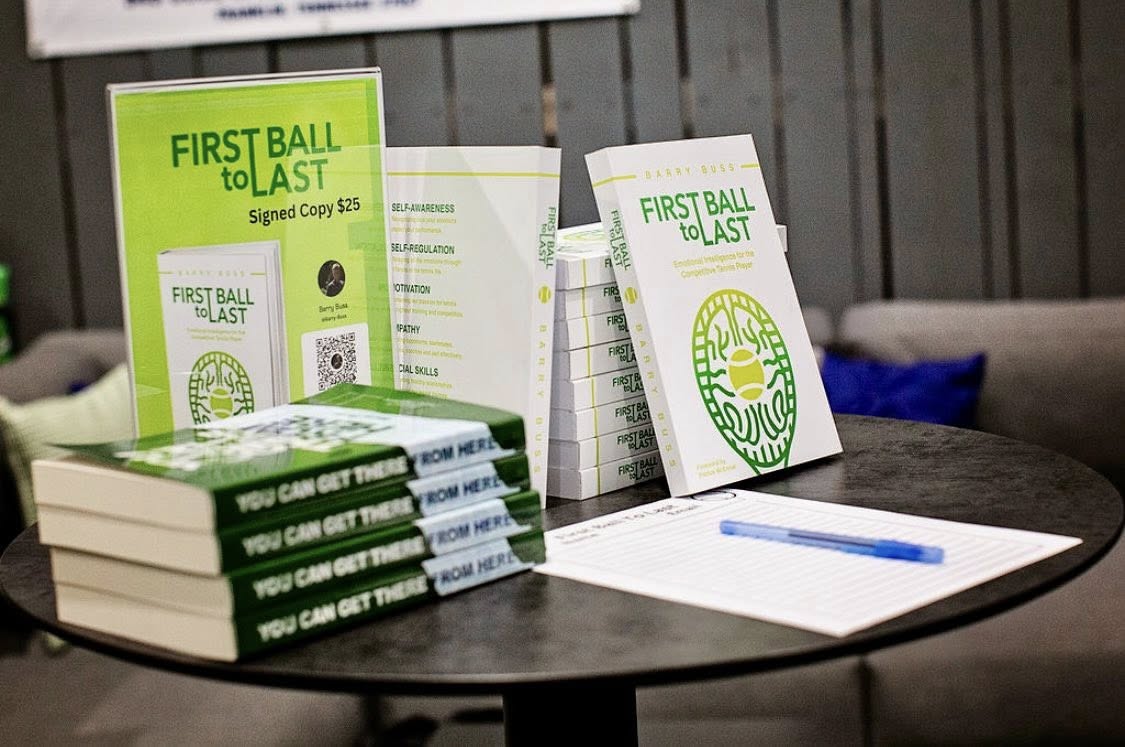

From reactive to proactive — a different way forward.
For fifty years, I have been involved in tennis as a player, coach, journalist, author, and analyst. I have witnessed the major movements in our sport: the tennis boom, the rise of professionalism, the evolution of technique, the explosion of equipment, the growth of academies.
I believe tennis is now on the edge of its next major movement: the emotional health and wellness of those who compete.
For too long, emotional health support in tennis has been reactive. Help arrives after a player is already overwhelmed, burned out, or losing joy. That model has helped people, and I am grateful it exists. But why should emotional development be a last resort?
FBTL makes emotional intelligence proactive, practical, and specific to the game. It draws from psychology, recovery, and lived tennis experience, then applies those lessons to the moments players actually face.