Character

Who are you becoming through tennis?

Tennis does not just reveal character. It builds it, one standard at a time. This section is about the person behind the player: how you compete, how you treat people, how you handle pressure, how you recover, and who you become while chasing your goals.

Watch: How Character Works in FBTL 45–60 seconds

Character Is Not Separate From Tennis

Character is not a side benefit of tennis. It is one of the great opportunities of tennis.

It shows up in how you behave under pressure, how you treat people, how you handle success, how you handle disappointment, and what you do when nobody can force you to do the right thing.

Character is not what you say you value. Character is how you carry yourself when tennis tests you.

Core Character Traits

Click on any active launch card below to instantly display its responsive structure profile.

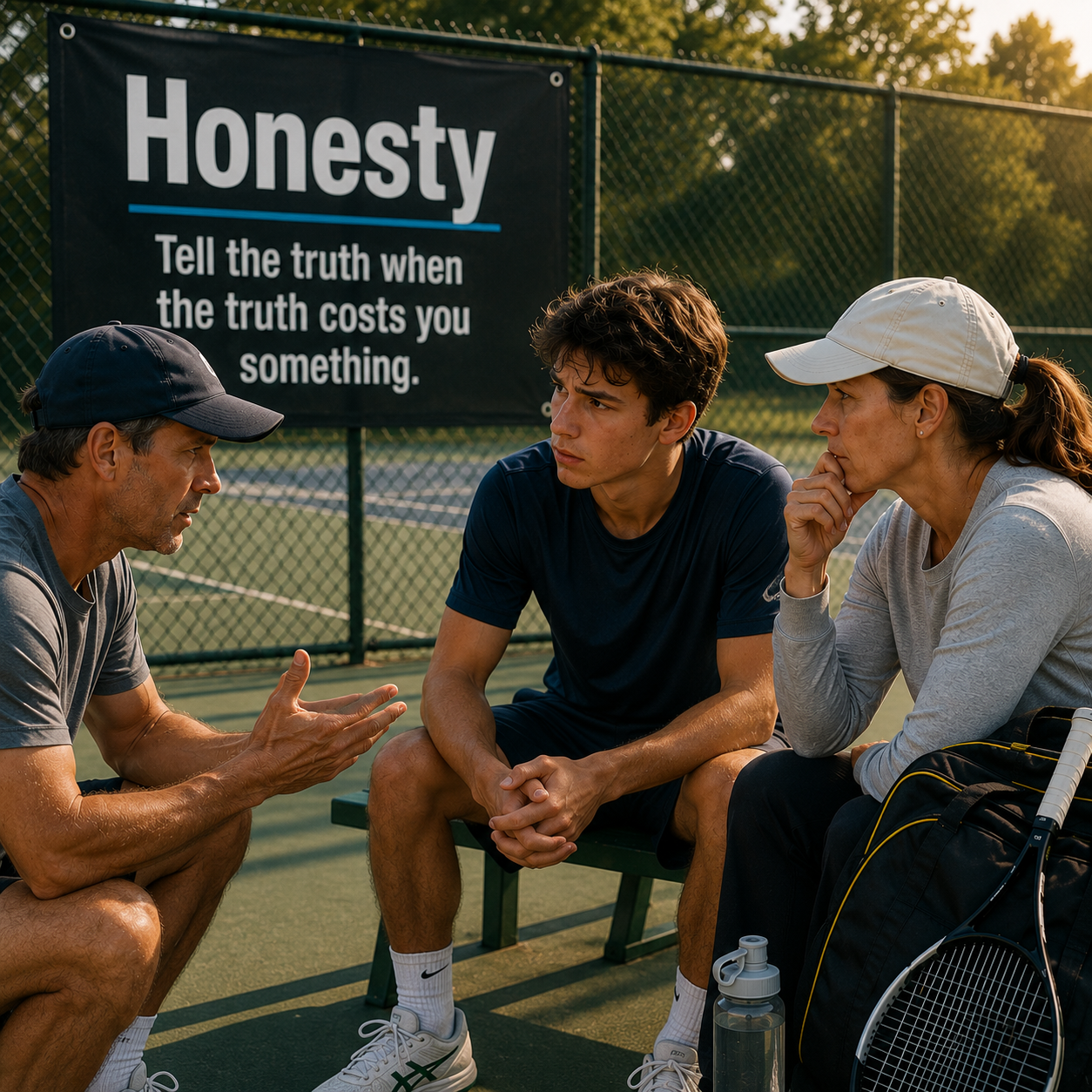
Honesty

Standards that do not bend under pressure.

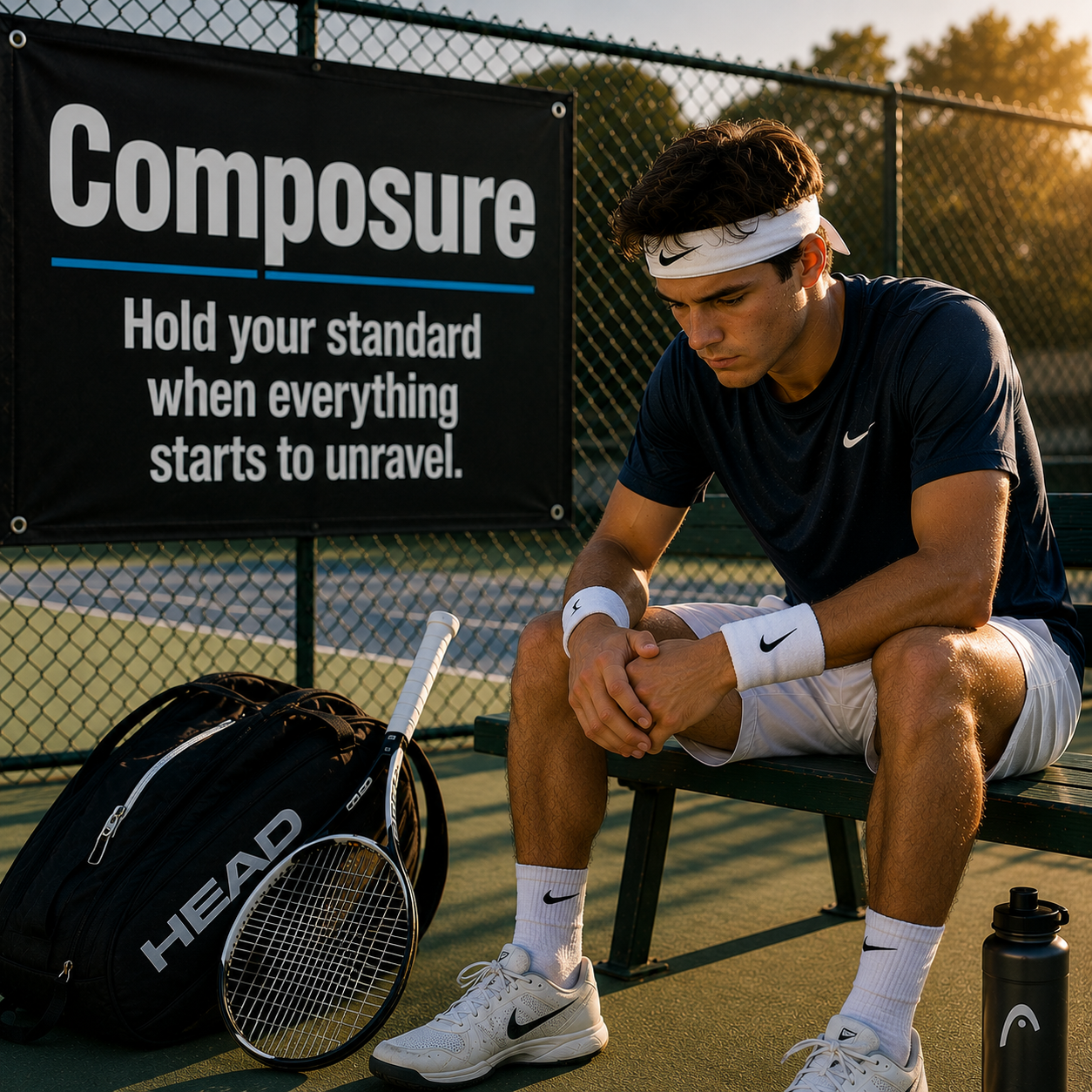
Composure

Caring without losing yourself.

Accountability

Owning it without attacking yourself.

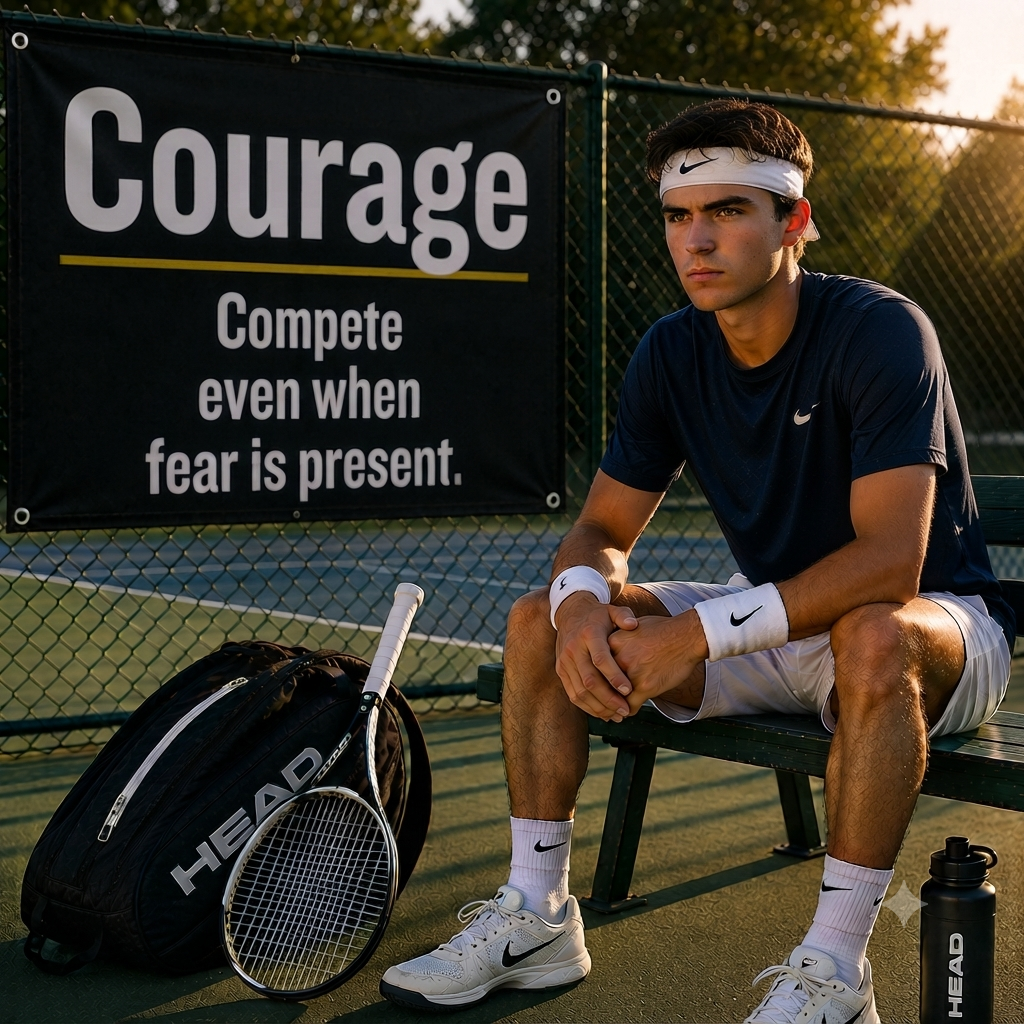
Courage

Acting well while afraid.

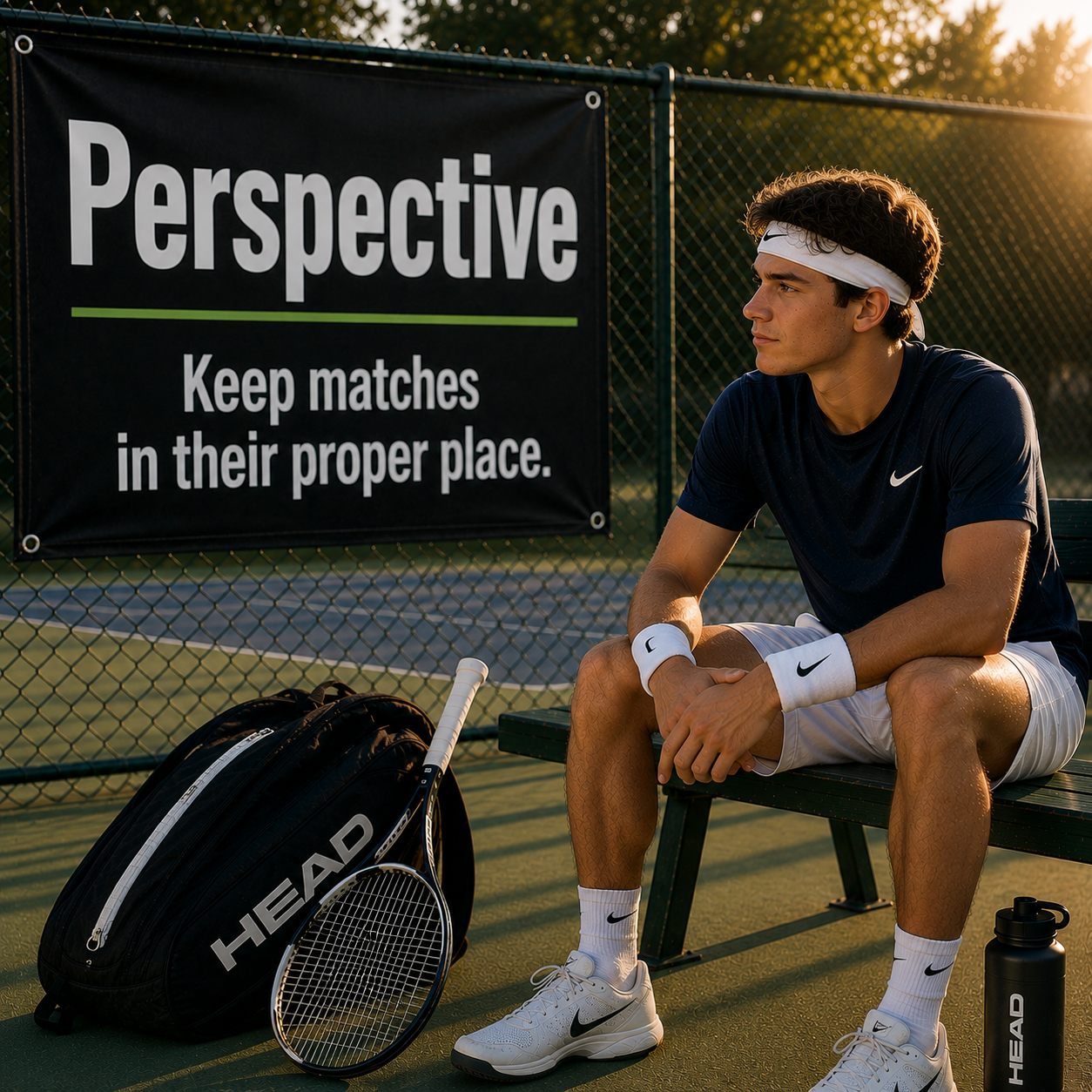
Perspective

One match is not the whole story.

Coming Soon Pipeline

Resilience

Queue

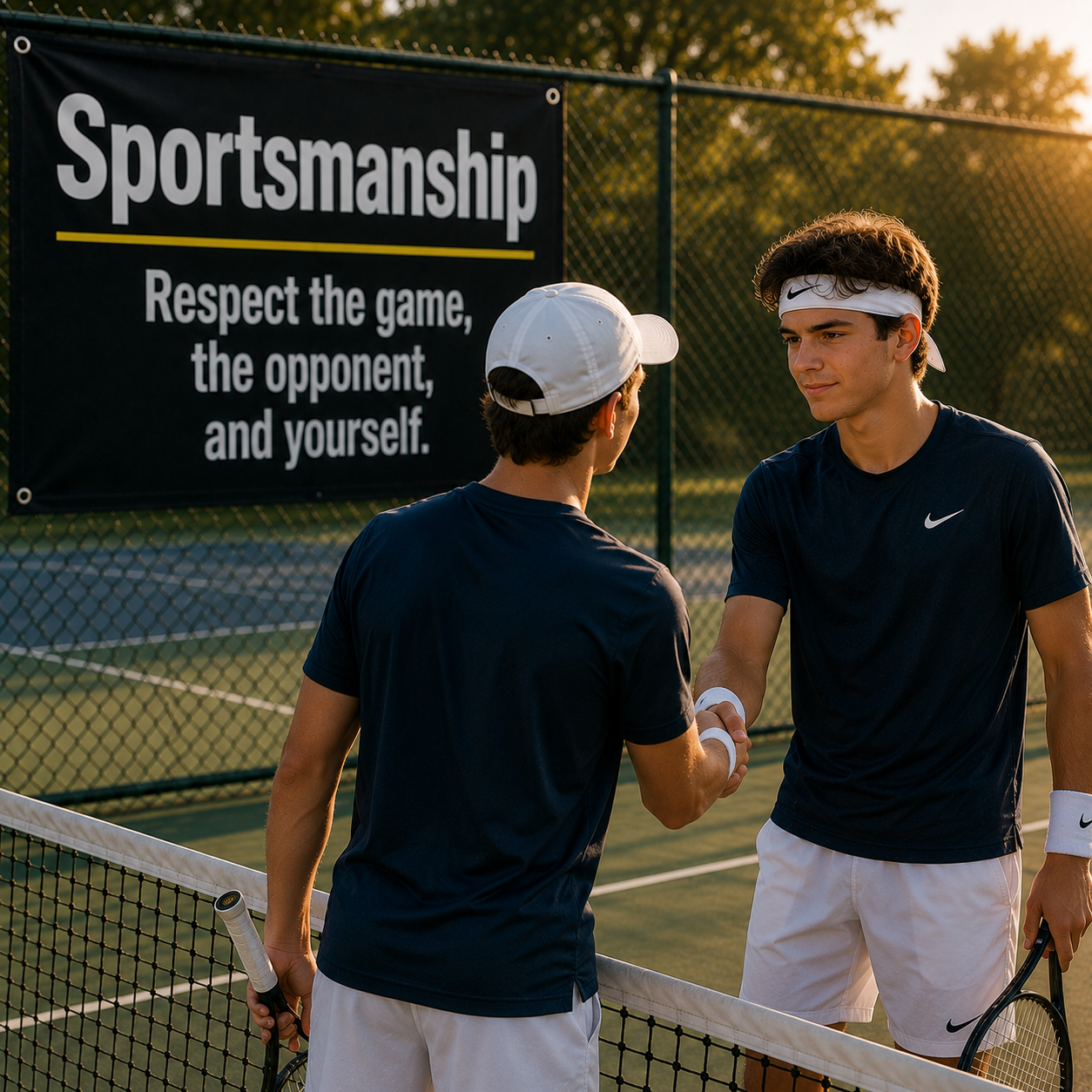
Sportsmanship

Queue

Discipline

Queue

Gratitude

Queue

Humility

Queue

This Month’s Feature

Honesty: The Right Call

Tennis gives character nowhere to hide. Sometimes the whole moral universe is sitting on a fuzzy yellow ball that may or may not have clipped the line.

Read The Right Call
Inside or Out?

Real Tennis Moments

Where Character Gets Tested. Select any scenario block to verify content pathways.

The Right Call
Bad Call Against You
Heartbreaking Loss
Winning Easily
Losing Badly
Doubles Partner Struggling
Frustration Rising
Nobody Watching

Did I meet my standards today?

A simple tracking check-in for practice, matches, or daily development monitoring.

Did I compete honestly today?
Did I treat people well when things got hard?
Did my behavior match my values?
Did I repair quickly when I fell short?
Did I carry myself in a way I would respect in someone else?

How to Build Character

A continuous behavioral validation loop built across unprompted, daily repetition.

1

Pick a Trait

Choose one specific character trait to strengthen.

2

Make It Behavioral

What exactly does it look like in action on the tennis court?

3

Notice the Test

Where exactly did tennis challenge that trait today?

4

Repair Quickly

Own it completely, apologize cleanly if needed, and immediately reset the standard boundary line.

5

Repeat

Character is built quietly, repeatedly, and entirely without applause.

Trait Page Blueprint Template

Every individual trait dashboard across the framework platform follows this strict structural interface standard layout configuration.

Honesty
Composure
Accountability
Courage
Perspective

Honesty

Pocket Line: Standards that do not bend under pressure.
What It Is

Maintaining absolute, objective truth in scoring data metrics and line calling parameters regardless of the match score or environmental stakes.

Where It Gets Tested

Deuce games, close out points, critical break points, and matching play against unrefereed, highly combative competitive structures.

What Gets in the Way

Desperation, deep visceral fears of failure, emotional justification loops, and obsessive short-term score bias.

Tennis-Life Example

Correcting an inaccurate call down match point in favor of your opponent because you clearly witnessed the ball clip the baseline edge.

What It Looks Like Under Pressure

Decisive, completely transparent calls made with zero hesitation, regardless of immediate game penalties or emotional distress.

How to Build It

Implement severe training parameters during base tracking drills. Practice calling baseline metrics accurately under fatigue constraints.

Player / Parent / Coach Notes

Alignment tracking metrics must confirm that personal honesty outranks tournament tier records across all team communication.

Try This / Related Tools

The Blind Call Verification metric. Cross-link database tool routing pathway: FBTL Integrity Log v1.

Composure

Pocket Line: Caring without losing yourself.
What It Is

Holding steady emotional baselines inside highly turbulent, chaotic tactical environments.

Where It Gets Tested

Double faults, missed overhead options, consecutive unforced errors, or matching up against disruptive crowd noise indicators.

What Gets in the Way

Over-indexing on current error points, somatic processing spikes, and out-of-control adrenaline cycles.

Tennis-Life Example

Dropping a 40-0 lead, resetting breathing cadence completely during a changeover, and executing the next serve pattern cleanly.

What It Looks Like Under Pressure

Controlled biomechanical recovery paces. Methodical reset protocols running perfectly between active points.

How to Build It

Deliberately integrate high-stress point limitations directly into routine practice baseline configurations.

Player / Parent / Coach Notes

Coaching staffs must display calm body language metrics from the sidelines during high-tension performance events.

Try This / Related Tools

The 4-7-8 Breathing Cycle metric. Cross-link database tool routing pathway: FBTL Box Reset Protocols.

Accountability

Pocket Line: Owning it without attacking yourself.
What It Is

Accepting absolute ownership over strategic mistakes or preparation gaps without executing harmful internal self-sabotage loops.

Where It Gets Tested

Tactical system failures, poor choices under pressure, and performance deficits across expected ranking tiers.

What Gets in the Way

External blame matrices (wind, courts, balls, racquets) or defensive ego protection filters.

Tennis-Life Example

Explicitly telling your team post-match: "I veered from our tactical strategy plan because I panicked, not because of the wind."

What It Looks Like Under Pressure

Clear, direct analysis loops. Complete absence of finger-pointing or theatrical emotional deflections.

How to Build It

Enforce immediate standard check-ins post-performance before external reviews occur.

Player / Parent / Coach Notes

Parents should support clean error tracking rather than validating external excuse narratives.

Try This / Related Tools

The Zero-Excuse Post Match Log. Cross-link database tool routing pathway: FBTL Post Match Diagnostic Framework.

Courage

Pocket Line: Acting well while afraid.
What It Is

Committing fully to aggressive, correct strategic decisions while experiencing acute physiological fear metrics.

Where It Gets Tested

Match points, championship tiebreakers, or playing high-profile seeded athletes on main display courts.

What Gets in the Way

A strong desire to play safe or tentative block mechanics designed to dodge direct point ownership errors.

Tennis-Life Example

Swinging with loose acceleration through a second serve targeting a weak return quadrant during an absolute critical break point.

What It Looks Like Under Pressure

Fluid stroke acceleration profiles. Bold tactical selections executed with zero mechanical hesitation marks.

How to Build It

Run training sets where defensive rolling shots automatically forfeit the live point structure.

Player / Parent / Coach Notes

Reward aggressive tactical intent profiles even if immediate biomechanical output results in errors.

Try This / Related Tools

The Courage Volley Commitment Drill. Cross-link database tool routing pathway: FBTL Pressure Strategy Mapping.

Perspective

Pocket Line: One match is not the whole story.
What It Is

Contextualizing immediate micro tracking results within the massive macro trajectory arc of lifetime developmental tracking frameworks.

Where It Gets Tested

First-round upset losses, catastrophic tracking failures, or temporary plateaus across regional tracking tiers.

What Gets in the Way

Hyper-fixation on immediate ranking curves or catastrophic emotional processing of isolated data points.

Tennis-Life Example

Analyzing a tough loss calmly by identifying specific pattern developments gained over the course of the match duration.

What It Looks Like Under Pressure

Stable, unshakeable self-worth baselines. Objective evaluation matrices replacing standard dramatic reactions.

How to Build It

Chart development updates inside multi-year tracking visuals rather than week-to-week ranking adjustments.

Player / Parent / Coach Notes

The system box environment must intentionally disconnect core human identity values from raw score outcomes.

Try This / Related Tools

The 5-Year Horizon Mapping grid. Cross-link database tool routing pathway: FBTL Big Picture Horizon Matrix.

Build the player behind the player.

The scoreboard matters. But it does not get the whole story.