
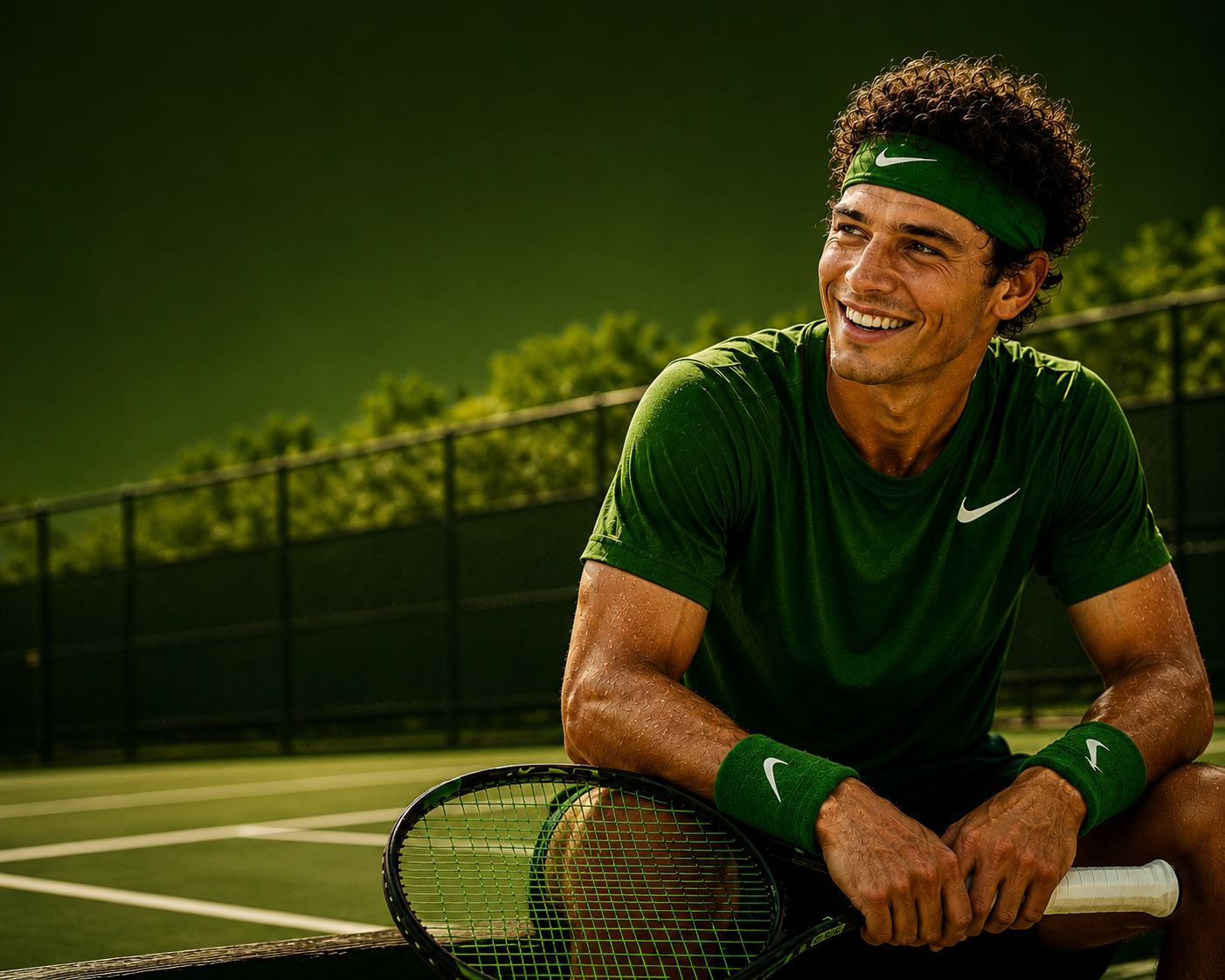
Passion is high emotional energy connected to competition. It is not the problem — uncontained passion is. Passion fuels effort, intensity, and fight. But without structure, it becomes fluctuation, not performance.
Related States
Fire · Intensity · Excitement · Fight · Heart
Common Sparks
Big points won · Crowd energy · Rivalries · Momentum surges · Comeback stretches · Matches that mean something extra
What It Feels Like
Emotionally: Lit up, urgent, fully invested. Mentally: Excitement mixed with urgency, emotional interpretation of every point, heightened sensitivity to momentum. Physically: Elevated heart rate, strong physical energy, fast emotional activation. Behaviorally: Big reactions after points, emotional swings between points, tempo control coming and going.
What It Sounds Like in Your Head
"Let's go!" · "This is my moment!" · "I feel it now!"
That voice is powerful. Without structure it's unstable — the same fuel that wins the point can burn down the game.
What It Looks Like in Tennis
Energy spiking after big points. Highly expressive body language. Emotional reactions following winners and errors alike. Momentum swings feeling amplified. The player starts playing emotionally charged points instead of structured points.
What It Is Trying to Tell You
Passion is not a problem. It is energy asking for direction. Engagement is high, meaning is strong, the body is ready. Nothing is wrong — the energy just needs a job.
Passion is the engine. It was never meant to be the steering wheel.
Every great competitor runs hot somewhere. The difference between fire that wins and fire that burns is containment: structure around the energy — routines, tempo, targets — so the intensity pours into execution instead of leaking into reactions.
Unmanaged, the player stops regulating energy and starts reacting to it. Managed, that same energy becomes the most intimidating thing on the court: a player who feels everything and wastes nothing.
Fuel Supply
Passion is the raw energy behind effort, intensity, and fight. No fuel, no fire.
Meaning Meter
You only feel this way about competition that matters. Passion confirms you're in the right arena.
Readiness Signal
The elevated heart rate and quick activation mean the body is primed. That's an asset waiting for direction.
Test of Regulation
Passion asks one question: can you hold this much energy and still play structured points?
Competitive Edge
Contained passion is contagious and intimidating. Opponents feel it across the net — especially when it never wavers.
In Competition — Channeled
- Energy directed into feet and first steps
- Intensity held steady through momentum swings
- Celebrations that end before the next routine begins
- Big-point energy poured into execution
- Fight that never turns on itself
In Competition — Leaking
- Intensity rising and crashing point to point
- Decisions made on emotion instead of structure
- Rhythm hostage to the last highlight
- Crowd and score dictating the tempo
- Execution varying with feeling
Off the Court
- Deep love of training, competing, and the sport itself
- Energy that lifts practice partners and teams
- Risk: riding emotional highs and lows of results too hard
- Risk: burning out from running hot with no cooldown
⚠ Unmanaged / Leaking
Passion doesn't reduce ability — it amplifies inconsistency when unmanaged: intensity spikes and crashes, emotional decision-making, unstable rhythm, execution that varies with feeling instead of structure.
The player stops regulating energy and starts reacting to it — and the match's emotional weather becomes their weather.
✓ Channeled / Contained
Structured passion is a weapon: relentless intensity, effort that never dips, fight that lasts five sets, energy that feeds execution instead of stealing from it.
The player who channels energy controls the emotional rhythm of the match — theirs and often the opponent's too.
Reframe / Mantra
Celebrate, Then Close
Give big moments their due — ten seconds, max. Then the routine begins. Train the celebration to have an off-switch.
Tempo Anchors
Same bounce count, same breath, same walk — especially when energy is spiking. The routine is what keeps the fire in the engine.
Schedule the Cooldown
Players who run hot need deliberate recovery: real rest days, quiet time after matches, life outside tennis. Passion without cooldown becomes burnout on a schedule.
Passion is a gift. Plenty of players would trade anything for the fire that comes naturally to you. The sport rewards those who care this much — as long as the caring is contained.
The question is never whether to feel it. Feel all of it. The question is where the energy goes: into your feet or into your reactions, into execution or into theater.
Passion is not instability. It is unregulated power — and regulation is a skill you can train.
Barry Buss · 90-second reset talk · Channeling the fire
Reset talk · Turning energy into execution
They need: respect for the fire, structure to pour it into, and steady tempo cues when the energy spikes.
Coach: "Use it." "Stay structured." "Control it."
Parent: "Channel your energy." "Stay steady."
Player (self-talk): "Control." "Channel." "Play."
For parents and coaches: never try to put the fire out. Help build the fireplace.
I can play with fire and still control the tempo.
I can love this fight and still play one point at a time."
Flow doesn't come from lowering passion. It comes from structuring it. The path:
Productive emotions are fuel.
The player who channels energy controls the emotional rhythm of the match.
Channel. Structure. Play. →